
To compare storage shelving quotations fairly, first align the product configuration, load basis, pricing unit, packaging, order quantity and delivery terms. Record what each offer includes and resolve differences before ranking the prices.
Two shelving units can have the same overall dimensions and still use different uprights, beams, panels or supports. One quotation may include printed cartons and freight; another may cover only the goods. Their headline unit prices do not describe the same purchase.
A different design can still meet the requirement. The comparison should show whether it does, what changes with it and what the buyer will pay for a complete order.

Set One Requirement Sheet for Every Supplier
Send the same dated shelving specification and drawing revision to every supplier. Define the intended use, assembled width × depth × height, usable shelf levels, load requirement, preferred panel and finish, order quantity, sales channel and destination. Include any carton limits and the delivery basis you want quoted.
For example, “five-level boltless shelving” does not identify the panel material, support arrangement, complete load basis or packaging. Confirm how the levels and dimensions are counted rather than allowing each supplier to interpret them differently.
Keep the requested specification separate from the supplier’s proposal. If an item is undecided, ask for a clearly identified option. Record an alternative as a deviation for review instead of silently treating it as the requested configuration.
Verify the Product Configuration Before Comparing Prices
Check Dimensions, Materials and Included Parts
Distinguish external bay dimensions from usable shelf dimensions. Confirm the assembled height, number of storage levels and any required adjustment interval. For connected systems, identify the Starter and Add-On bays and the layout being quoted.
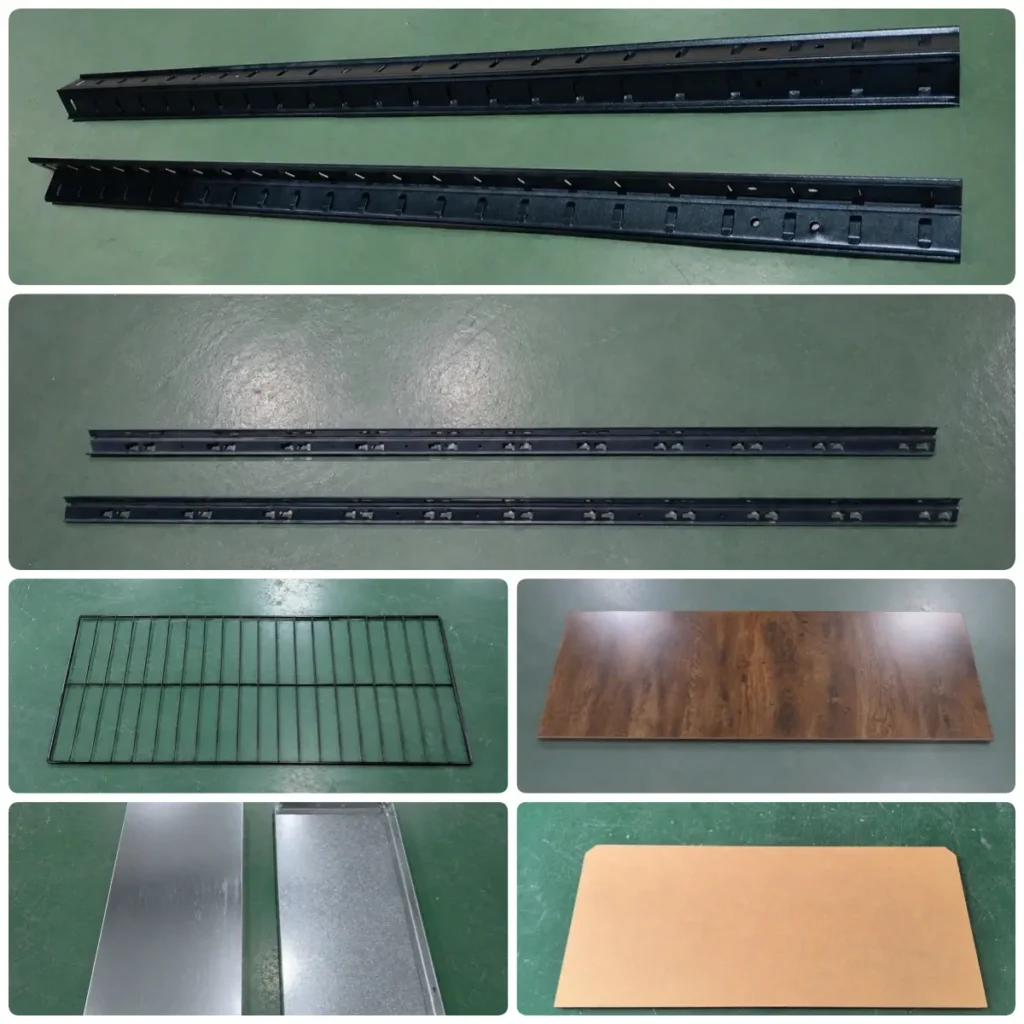
The component list should identify upright and beam profiles, shelf material, relevant thicknesses, supports (including centre supports where specified), connectors, feet and model-specific fittings. Include instructions or fixing accessories where the approved configuration requires them. A photograph is useful for identification, but it cannot replace this list.
For a quoted boltless shelving configuration, the upright slots and beam connectors must form a compatible system. Do not assume that similar-looking components from different suppliers are interchangeable.
Agree the finish and colour reference where appearance or repeat-order matching matters. For galvanised components, confirm which parts receive that finish. Where thickness is a comparison requirement, identify the component and agreed measurement basis.
Check the Complete Load Rating
A load figure needs to state:
- Whether it applies to one shelf level or the whole unit or bay.
- Whether it is a uniformly distributed load (UDL), spread across the shelf, or another loading condition.
- The applicable span, depth, panel, steel sections and support arrangement.
- Any assembly, shelf-position or fixing conditions attached to the rating.
- The drawing, calculation or test record supporting the stated rating, where required.
A per-level UDL rating does not establish suitability for a concentrated load. Nor should the maximum whole-unit load be assumed by multiplying one shelf rating by the number of levels. Ask for both limits where they affect the intended use.
Match any test or calculation evidence to the configuration being quoted. A maximum rating for another size or support arrangement is not evidence for the proposed unit.
Evaluate Alternative Designs on Their Merits
Do not use steel thickness or product weight alone as a quality ranking. Profile geometry, span, panel and supports also form part of the design. A supplier may meet the requirement with a different construction, but the claimed performance still needs an appropriate basis.
Keep that alternative separately identified until its load suitability, usable dimensions, assembly, replacement parts and packing implications have been reviewed. Request a revised quotation if you accept the change.
Define the Pricing Unit and Packaging Scope
Identify What One Priced Unit Includes
Confirm whether the price is per complete unit, bay, set, carton or component. A carton is not necessarily one complete shelving set, and an Add-On bay is not the same purchase as a Starter bay.
Check the quantity of panels, supports and fittings included in each priced item. Record optional accessories and agreed spare parts separately. Ask suppliers to identify sample, tooling, artwork and other setup charges, including any conditions attached to a refund or credit.
Compare Packing for the Same Delivery Route
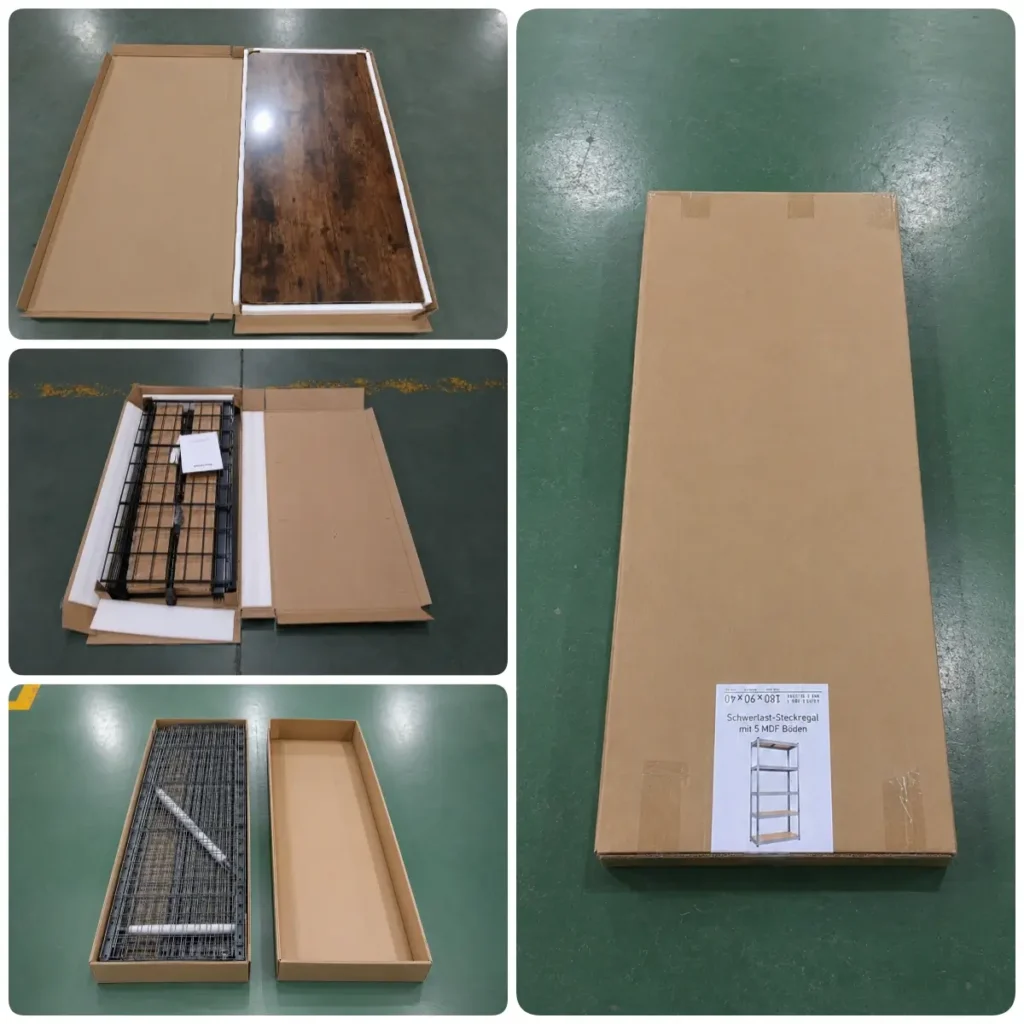
Agree carton contents, internal protection, labels, external packed dimensions, net and gross weights, and whether pallets are included. Packaging should cover the handling stages and sales channel, including any later individual-carton delivery.
Different packing arrangements can change both the packaging charge and the quantity that fits into a shipment. Check loading estimates against the final packed dimensions and weights. Do not treat a carton-volume estimate as a confirmed container loading plan.
If a change is needed to meet your requirements, obtain its price and revised packing data before comparing the offers. Record any destination repacking or extra handling separately.
Align Delivery and Commercial Terms
Record the Trade Rule and Named Place
An EXW price, an FOB price and a delivered price cover different obligations. Record the chosen Incoterms® rule, the precise named place or port, and the edition. Confirm that the rule suits the transport and handover arrangement.
The ICC Incoterms® rules allocate delivery obligations, costs and risk between buyer and seller. Payment terms and product specifications need separate agreement. Paying for freight to a destination does not necessarily mean the seller carries transit risk to that destination.
Choose one destination or handover point for your cost comparison. Identify which origin, freight, insurance, destination and customs-related costs are already included and which remain with the buyer. Confirm uncertain charges with the relevant supplier, forwarder or customs adviser.
Align Quantity and the Order Mix
Use the same quantity for each model and the same mix of Starter and Add-On bays. Record minimum order quantities (MOQs) per model or colour, mixed-order conditions and the quantities required for price breaks.
An annual forecast price is not directly comparable with a one-off trial-order price unless the same purchasing commitment applies. Compare the total value of the required order mix as well as individual line prices.
Define Lead Time, Payment and Validity
State when lead time starts and what completion means. Deposit receipt, drawing approval and artwork approval can be different starting points; production completion, readiness for inspection and arrival at destination are different endpoints.
Record sample preparation, production, inspection and shipment scheduling where relevant. Compare deposit and balance timing, bank charges, currency and separately charged work. The timing of payments also affects the buyer’s cash commitment.
Reconfirm expired quotations and date-sensitive freight or currency assumptions before making the purchase decision.
Compare the Cost of a Complete Order
Bring each offer to the same configuration, quantity, currency and comparison point. A practical calculation is:
Comparable order cost = quoted order amount + required items excluded from the quote + buyer-borne costs to the agreed comparison point.
Count each charge once. Where a quotation already includes packing or freight, do not add it again. Separate one-off charges from repeat-order costs, and use the same treatment of taxes across the offers. Record the exchange rate and date if currency conversion is needed.
Illustrative example: Supplier A includes the required carton and protection; Supplier B excludes them. Obtain Supplier B’s packing charge before deciding which offer costs less. If the packing change alters carton size or shipment quantity, update the freight estimate as well.
Keep confirmed charges separate from estimates and unresolved costs. A blank field does not mean zero cost. Record unpriced quality, delivery or after-sales concerns separately rather than inventing a defect rate or a monetary allowance.
Build a Shelving Quotation Comparison Sheet
Use a working sheet with a required-basis column and a response column for each supplier. Record quotation dates and revisions so that an updated price remains linked to the correct specification.
| Comparison Field | What to record |
|---|---|
| Product configuration | Assembled and usable dimensions, shelf levels, layout and drawing revision. |
| Materials and parts | Upright and beam profiles, panel specification, supports, fittings and finish. |
| Load basis | Per-level and whole-unit limits, loading condition, configuration and evidence reference. |
| Pricing unit | Complete unit, bay, set or other basis; included items and separately priced options. |
| Packaging | Carton contents, protection, labels, packed dimensions and weights, pallets and loading assumptions. |
| Order quantity | Quantity by model, Starter/Add-On mix, MOQ conditions and applicable price breaks. |
| Delivery basis | Incoterms® rule, named place or port, edition and included or excluded charges. |
| Timing and payment | Lead-time trigger and endpoint, payment stages, quotation validity and currency. |
| Approval and changes | Controlling drawing or sample, inspection criteria, accepted deviations and revision history. |
| Comparable order cost | Confirmed charges, estimates, unresolved costs and the calculation to the agreed point. |
Mark each response Confirmed, Different or Unclear. “Different” identifies a deviation; it does not automatically mean unsuitable. Record whether it has been accepted and who approved it. Leave missing information marked “Unclear” until it is resolved.
Agree Approval Evidence Before Placing the Order
Identify the controlling specification, drawing revision, component list, finish reference and packaging files. Agree which document takes priority if they conflict. Record the dimensions, part counts, sample assembly checks and any load or packaging validation required for the order, together with acceptance criteria and responsibility for the checks.
Photographs can document appearance and arrangement. They do not, by themselves, establish material thickness, load performance or transport-test compliance. If a certificate or test report is required, check the document’s identity, product coverage and applicable configuration.
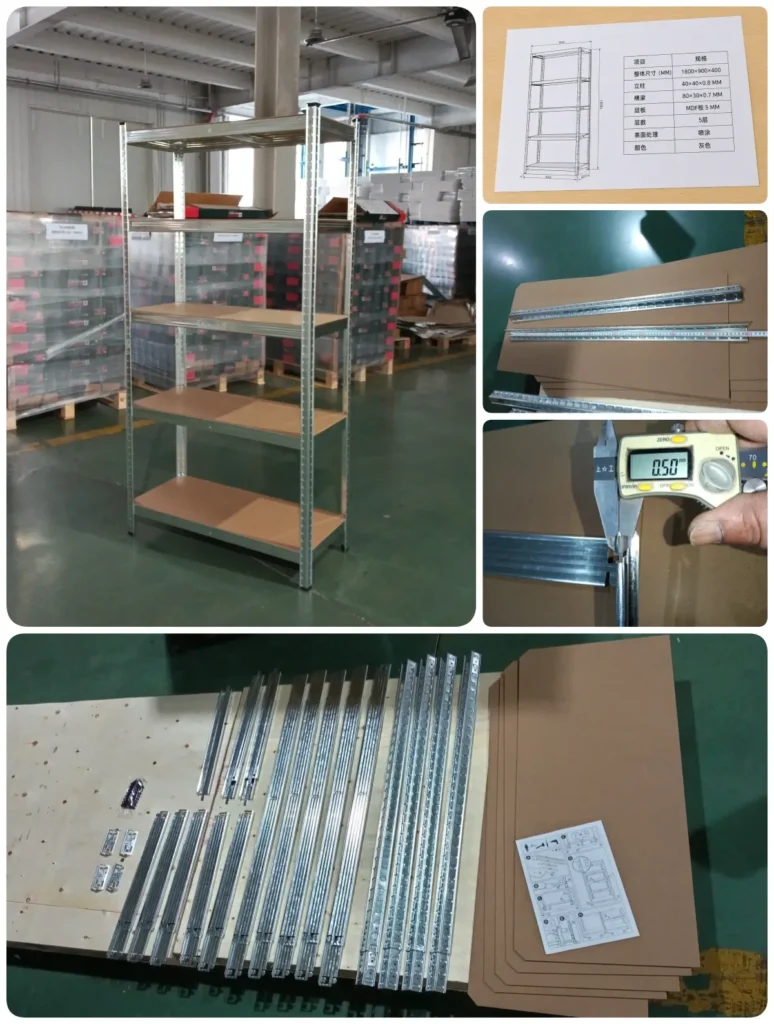
When a dimension, material, support or packaging requirement changes, update the affected quotation and approval documents together. Keep the final accepted revision available to purchasing, production, packing and inspection teams.
Frequently Asked Questions
Should Price per Kilogram Decide the Purchase?
It can be a secondary check when the weights and supply scope are comparable. Confirm whether the figure covers steel only, the complete product or packed gross weight. Price per kilogram does not establish load suitability, included parts, assembly requirements or delivery cost, so it should not replace the configuration and order-cost comparison.
Does a Lower Price Mean a Worse Product?
No. A lower price may reflect an efficient design, a different quantity or a simpler configuration that suits the application. Review the proposed design, supporting evidence, included scope and delivery commitments. Clear specifications make the comparison possible; they do not remove the need to assess the supplier’s ability to deliver the agreed order.
Compare the Same Offer Before Choosing a Supplier
Send QDDOWELL the intended use, required dimensions, shelf levels, load per shelf and loading pattern, preferred panel and finish, quantity by model, packaging requirements, destination and requested delivery basis. Include any drawing or specification revision used for your other enquiries.
Ask for alternatives and excluded items to be identified separately. This gives you a clearer basis for comparing the shelving configuration and complete order cost.